It is funny to look at my involvement with WordPress and my previous sponsorships.
I hope people don’t take this personally. Sharing my view because I care about this community.
My involvement in the project
I contributed to WordPress in every way you can imagine.
I started as a volunteer. No company behind me, no hours to pledge, and just showing up because I cared. I did it for years before anyone paid me to do it.
Later I got sponsored part-time by a company in the WP ecosystem, then finally full-time by Automattic. It was a big moment as the whole relationship with the community changed and my responsibility over different things in the project increased a lot.
Now, I’m mostly running my own company, but I’m thankfully still sponsored a few hours per week by Kinsta.
I’ve also sat in enough rooms where companies talked about “giving back to WordPress” as if it were a marketing line item.
So when I say the problem was never 5ftF as a concept, or sponsorships overall, I’m not saying it from the sidelines. Sponsoring contributors is one of the best things a company can do for WordPress.
The problem is that companies sponsor the wrong people, or measure their impact the wrong way. Usually both, because the second causes the first.
1. We often measure inputs or outputs, not outcomes

Usually there are three ways to measure work:
- Input — time pledged, hours logged
- Output — quantity of things done: tickets, commits, posts, meetings attended
- Outcome — what actually changed because of that work
5ftF, as practiced, measures input. “We pledge X hours.” Companies then evaluate sponsored contributors by output: tickets closed, releases participated in, presence in Slack.
Almost nobody measures outcomes. Did Core get meaningfully better? Did a release ship healthier? Did new contributors stick around because someone onboarded them well? Did someone organize an amazing WordCamp for +3k people?
Outputs are easy to game and easy to fake. You can close ten trivial tickets and look more productive than the person who fixed the one bug that mattered. When you reward volume and visibility, that is exactly what you get.
2. Sponsoring people because they are “WP famous”
Being well known in the WordPress space is not a problem — as long as the person actually does the work. Many well-known contributors are well known because of their work.
But sponsoring someone purely for their reach is hiring an influencer, not a contributor. If that’s what you want, fine — call it marketing and pay it from the marketing budget. Just don’t count it as a contribution to the project, and don’t be surprised when the contribution never comes.
3. Sponsoring people who didn’t come from the community
Some sponsored contributors arrive without any history in WordPress and without any real attachment to it. Sadly, most of them never develop a genuine sense of community and they leave the moment the money stops. The sponsorship buys hours, not care, and it shows in the work.
This is not always true and I believe it is especially valid to hire contributors for some specific roles like accounting.
Some of my best friends in this space joined exactly this way, and they’re doing great work and genuinely care. It happens — just not for most. If you’re one of the exceptions, please don’t take this personally. You know who you are, and so does everyone who works with you.
4. The highest-impact work is invisible
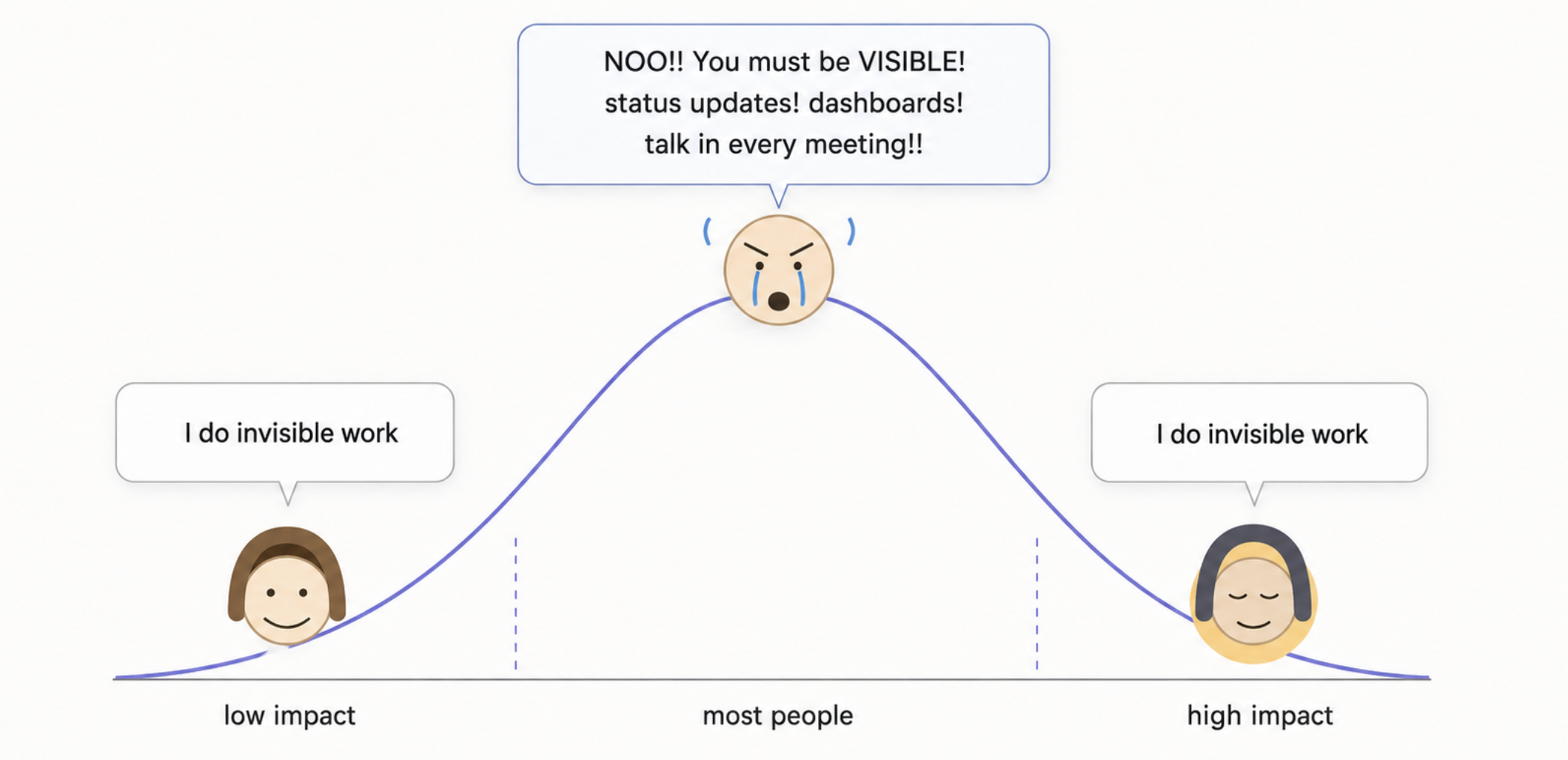
The most valuable contributors often produce the least visible work. Reviewing instead of committing. Mentoring new contributors. Killing bad ideas before they waste a cycle. Keeping a team unblocked. Preventing the fire instead of heroically fighting it.
None of that shows up on a dashboard. There is no badge for “disaster that didn’t happen.”
It’s interesting because I’m personally dedicating most of my contribution time to build the WP Contributor Dashboard, but the main reason why we never “individualized” the dashboard was because I know it could have an opposite effect and end up rewarding bad outcomes.
So when companies measure their sponsorships by visibility, they systematically undervalue exactly the people who matter most and over-reward the ones performing contribution theater.

I love the clarity and directness in this post, Felipe. Thank you for caring so much about this project and its community.